Hysteroscopy
24 The Office Truesdales, Ickenham, Uxbridge, Middlesex, United Kingdom, UB10 8FJ
secretary@drlaurafgc.com

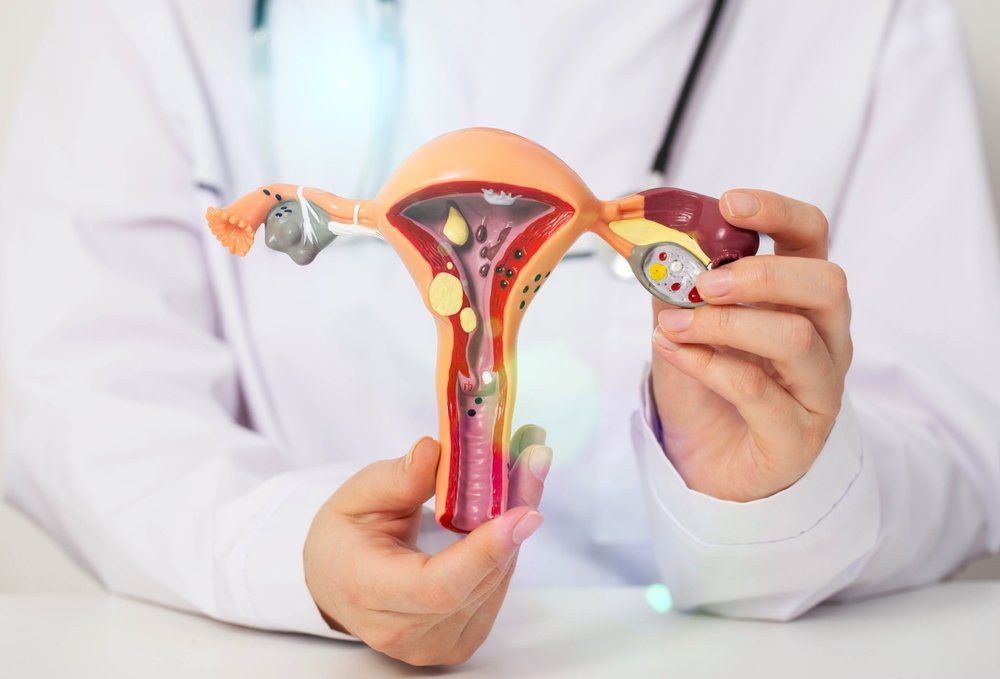
Using a thin, illuminated camera known as a hysteroscope, a hysteroscopy enables the specialist to directly view the inside of the uterus. Depending on how complicated the case is, either local or general anesthesia is typically used for the procedure. This minimally invasive technique allows for a clear, real-time view of the uterine cavity by entering through the cervix without making any abdominal incisions. This allows for the diagnosis of abnormalities that may not be picked up by imaging alone.
The ability of hysteroscopy to diagnose and treat specific conditions in a single session is its main benefit. During the procedure, fibroids, polyps, scar tissue, or structural abnormalities can frequently be removed, possibly reestablishing normal uterine function. Women who experience frequent miscarriages, unusual uterine bleeding, suspected uterine malformations, or infertility problems are especially advised to get this test.
Perfect for women who have suspected uterine abnormalities, abnormal bleeding, or a history of miscarriages.
Plan your hysteroscopy to identify and treat uterine problems in a single visit to achieve clarity and peace of mind.