





24 The Office Truesdales, Ickenham, Uxbridge, Middlesex, United Kingdom, UB10 8FJ
secretary@drlaurafgc.com

At the Fertility & Gynecology Clinic, we think that the first step to realizing your dream of parenthood is knowing how your fertility is doing. Our female fertility tests allow us to examine every facet of reproductive function by combining state-of-the-art diagnostics with individualized care. Every test is suggested according to your particular situation, which includes your medical background, symptoms, and fertility objectives. This guarantees that you only have tests that will actually help guide your course of treatment.
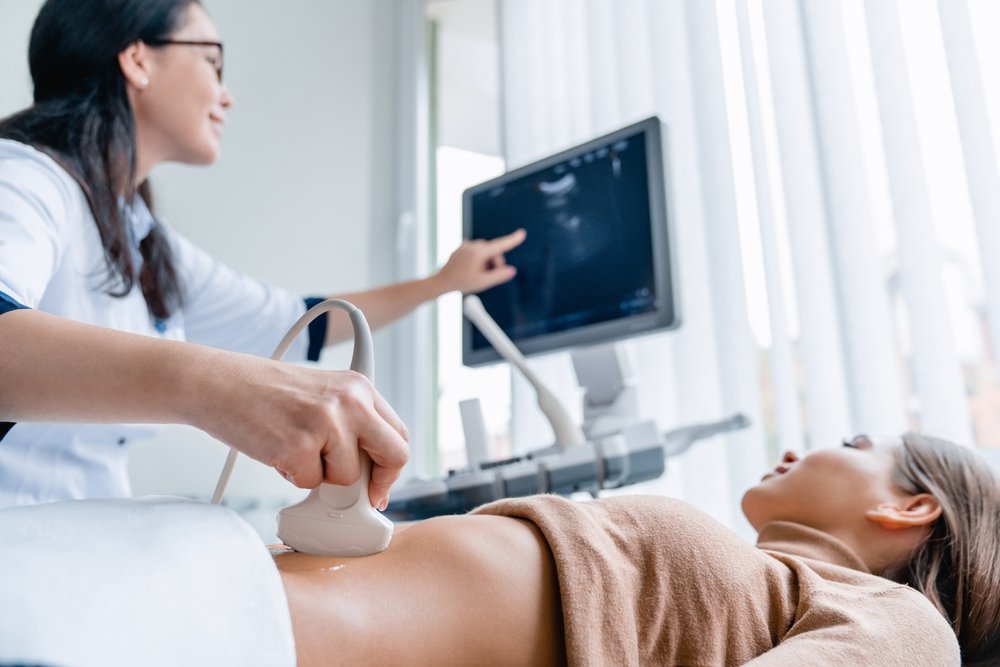
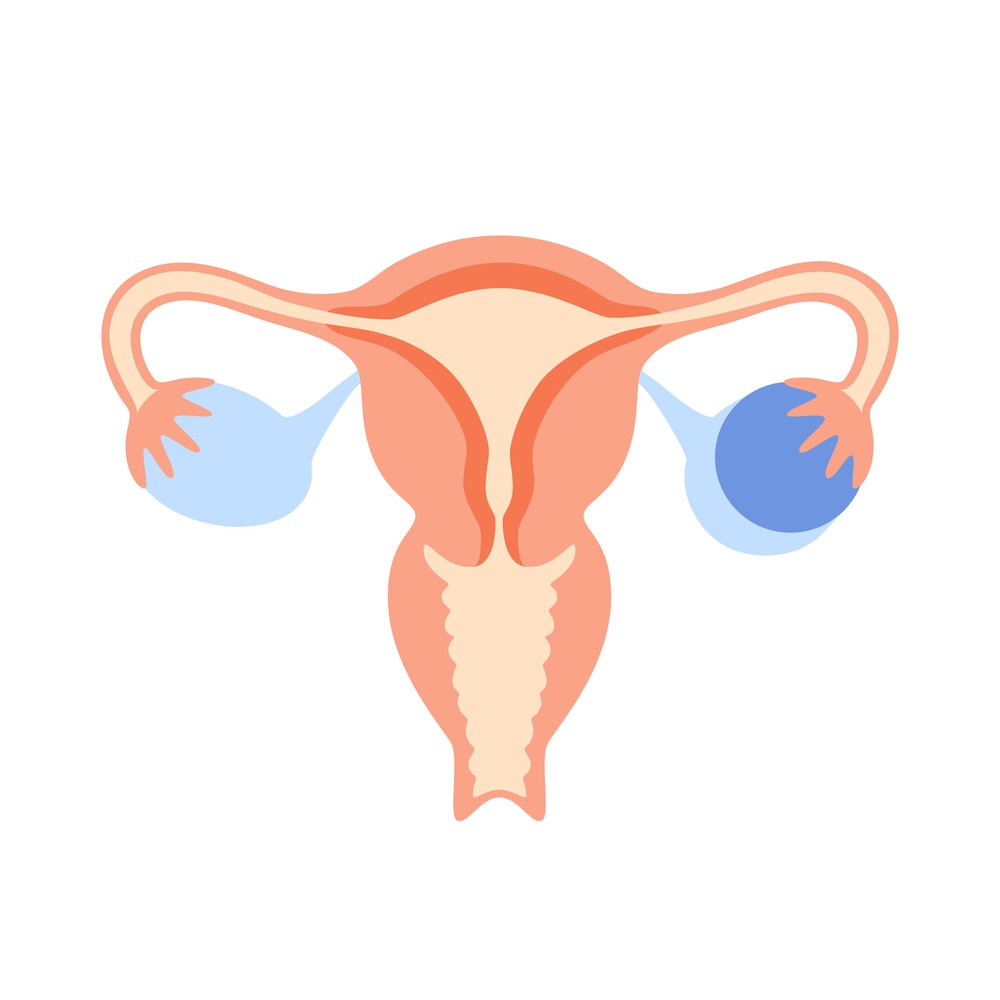
This cutting-edge imaging test provides a thorough examination of the female reproductive system. The uterus, ovaries, and pelvic region are visualized during the procedure using a high-resolution ultrasound probe. Doppler technology, which gauges blood flow to the ovaries and uterus, or 3-D imaging, which offers a more thorough, layered view of the reproductive organs, can be used to improve the scan.
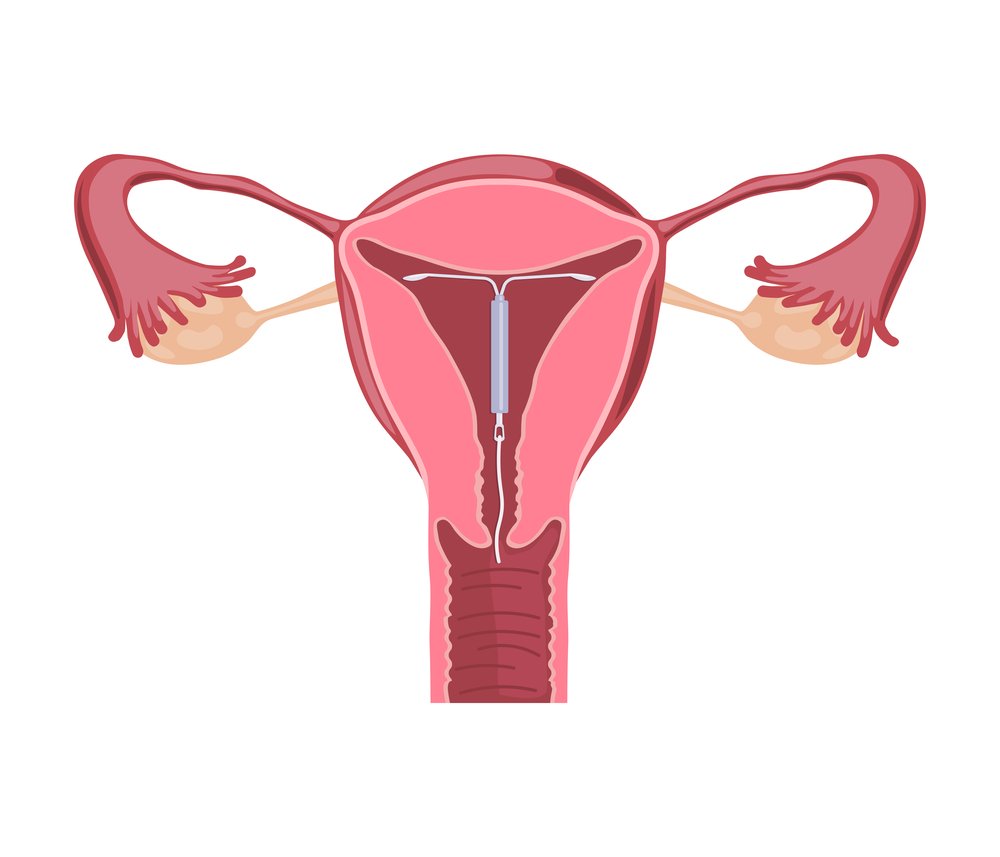
A gentle, non-invasive method of assessing whether the fallopian tubes are open and operating normally is the HyCoSy test. A tiny amount of contrast fluid is injected into the uterus, and ultrasound is used to track the fluid’s passage through the fallopian tubes. This enables the expert to verify if the tubes are clear, which is essential for a natural conception. For the majority of patients, the HyCoSy is a safer and more comfortable option because it eliminates the discomfort and radiation exposure associated with conventional X-ray dye tests.
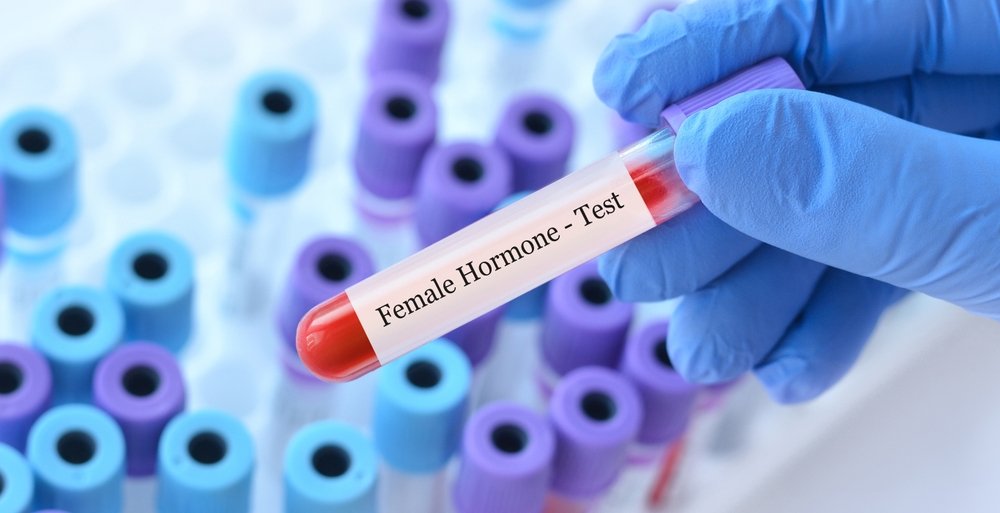
Female fertility is heavily influenced by hormonal health, and this test provides a comprehensive hormonal profile by measuring a variety of reproductive and endocrine markers. Hormones like AMH, which indicate ovarian reserve; FSH and LH, which regulate ovulation, oestradiol, which is connected to egg development; and progesterone, which is necessary for implantation, are measured in a tiny blood sample. Thyroid and prolactin hormone levels are also measured because abnormalities in these areas can interfere with menstruation and impair fertility
Using a thin, illuminated camera known as a hysteroscope, a hysteroscopy enables the specialist to directly view the inside of the uterus. Depending on how complicated the case is, either local or general anesthesia is typically used for the procedure. This minimally invasive technique allows for a clear, real-time view of the uterine cavity by entering through the cervix without making any abdominal incisions. This allows for the diagnosis of abnormalities that may not be picked up by imaging alone.
For embryo implantation, the uterine lining’s quality and receptivity are critical. This test measures the lining’s thickness, texture, and preparedness using ultrasound or endometrial biopsy. Advanced molecular testing may occasionally be used to determine the precise timing of receptivity, guaranteeing that embryo transfer in IVF cycles takes place at the most advantageous time.
Fertility is influenced by the delicate microbiome of the reproductive tract, which is a balance of beneficial and harmful bacteria. A tiny sample from the uterus or vagina is taken for microbiome testing, which involves analyzing it for harmful pathogens, protective Lactobacillus species, and bacterial diversity. Even in women with otherwise normal fertility test results, a disturbance of this balance may lead to chronic pelvic inflammation, miscarriage, or implantation failure.
The defense mechanism of the immune system includes natural killer cells. Excessive NK cell activity in the uterus can mistakenly target an embryo, preventing implantation or contributing to an early miscarriage, despite their importance in fighting infections. To determine the quantity and activity of NK cells, the NK test uses a blood sample or, in certain situations, a tiny biopsy taken from the uterine lining.
Implantation failure tests look into the reasons why embryos, whether they are conceived naturally or through IVF, are not successfully embedded in the uterus. A mix of immunological profiling, hormonal evaluation, genetic screening, and thorough uterine imaging may be used in this process. When combined, these tests search for minute problems that can be fixed prior to subsequent attempts at conception.
The loss of two or more consecutive pregnancies is referred to as recurrent miscarriage. The purpose of this test series is to identify any genetic or medical factors that may be causing pregnancy loss. Blood clotting tests, immune system analysis, hormone level checks, and genetic karyotyping for both partners are possible investigations.
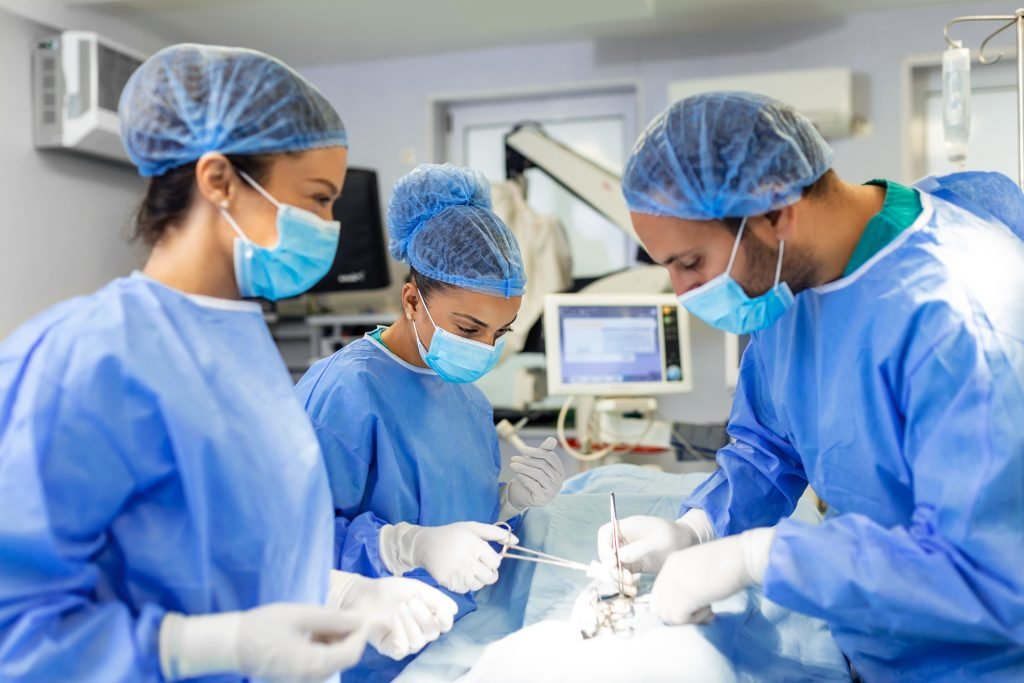
A minimally invasive surgical procedure called laparoscopy is used to directly examine the pelvic organs. Under general anesthesia, a thin camera and specialized tools are inserted through a few tiny abdominal incisions. This enables the surgeon to identify and, if feasible, treat diseases like adhesions, endometriosis, or blocked fallopian tubes, all in one procedure.
Overall health has an impact on fertility, and this screening evaluates variables other than the reproductive system that may affect conception. It could involve body composition analysis, vitamin and mineral testing, metabolic evaluations (like blood sugar and cholesterol levels), and cardiovascular examinations. By taking a comprehensive approach, you can make sure your body is in optimal health prior to becoming pregnant.
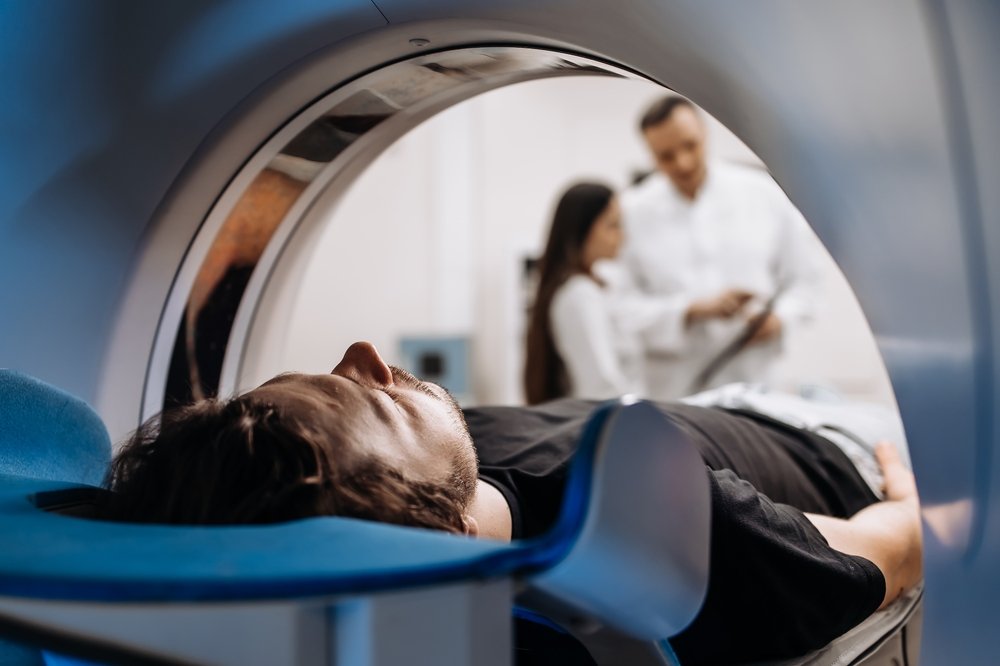
Additional imaging, like CT or MRI, can provide a clearer picture when standard ultrasound scans are unable to provide enough detail. These cutting-edge imaging methods map large fibroids, find uncommon uterine anomalies, detect hidden endometriosis, and visualize deep pelvic structures using high-resolution technology. The process creates precise 3D images for precise diagnosis and treatment planning, and it is non-invasive.
A healthy diet is essential for optimal fertility, and specific supplements can help prime the body for conception. After evaluating your diet and overall health, our experts can suggest customized supplements like folic acid, vitamin D, omega-3 fatty acids, antioxidants, and minerals that promote hormone balance, egg quality, and overall reproductive health.